Old English Sheepdogs, Paint Adverts, Walt Disney and the Beatles
By Paul Keevil
Paul Keevil is one of the best-known champions of the Dandie Dinmont Terrier, a devoted owner, breeder and exhibitor who has spent decades helping to keep his much-loved vulnerable native breed in the public eye. A familiar and much-admired figure in the dog world, he has long understood both the power and the limits of publicity when it comes to safeguarding a breed’s future. Writing as part of the Kennel Club’s Vulnerable Breeds work in 2009, his reflections on another iconic British breed feel even more relevant today.
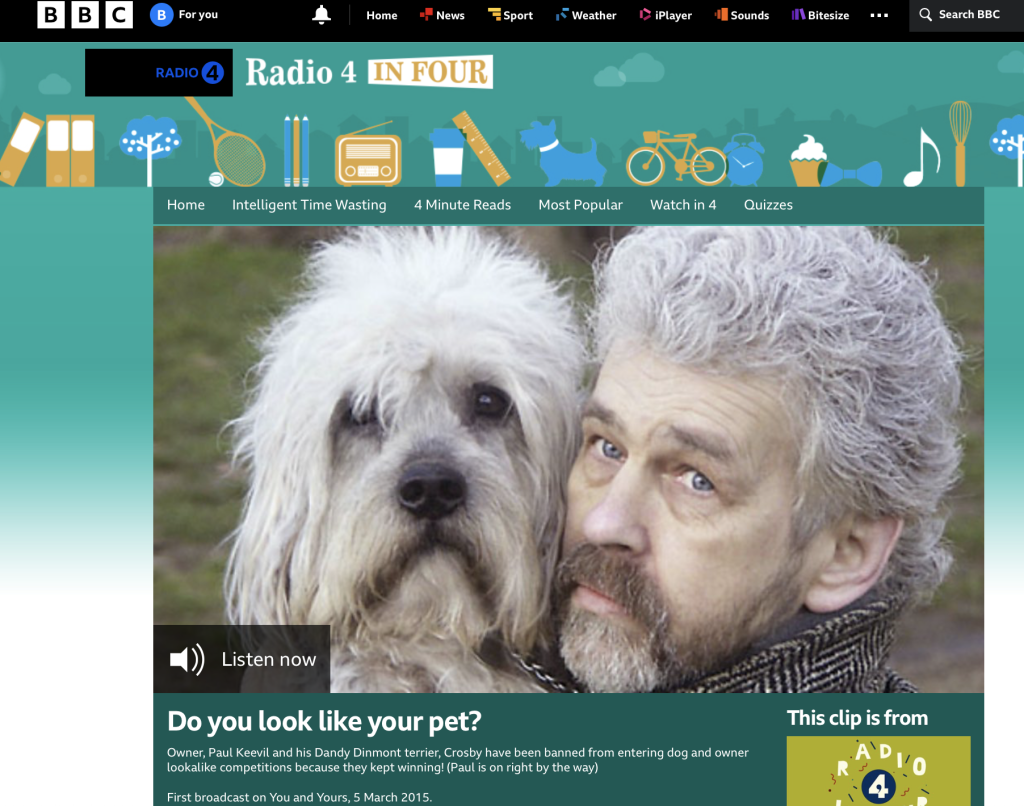
I have lost count of the number of times, when discussing the low numbers in my own breed, that someone has said something along the lines of: “What your breed needs is a celebrity.”
Ah yes, the celebrity pill, guaranteed to cure all ills. Then again, perhaps if we could just get our breed adopted as the marketing logo for a major international company, or even persuade Walt Disney to make a film about them, surely then all our problems would be solved… wouldn’t they?
But there is one British heritage breed which has had all these things and more. You have probably already guessed that I am talking about the Old English Sheepdog. Originally used as a herding and droving dog, the breed quickly caught on as a show dog, not only in the UK but particularly in the USA.
Dulux Paint first adopted the Old English Sheepdog as part of their branding in the early 1960s, initially in Australia and then internationally. The advertising campaigns have been so successful, and the breed has become so synonymous with the brand, that many people today refer to it simply as “the Dulux dog”.
One piece of trivia from me: I remember back in the 1970s going into a paint and paper shop in Brighton’s Kemptown to buy a tin of brown gloss paint. This was in the days before DIY superstores, when small independent decorating shops were everywhere. This particular shop was quite small and rather tatty, and the owner wore one of those old brown cotton coats.
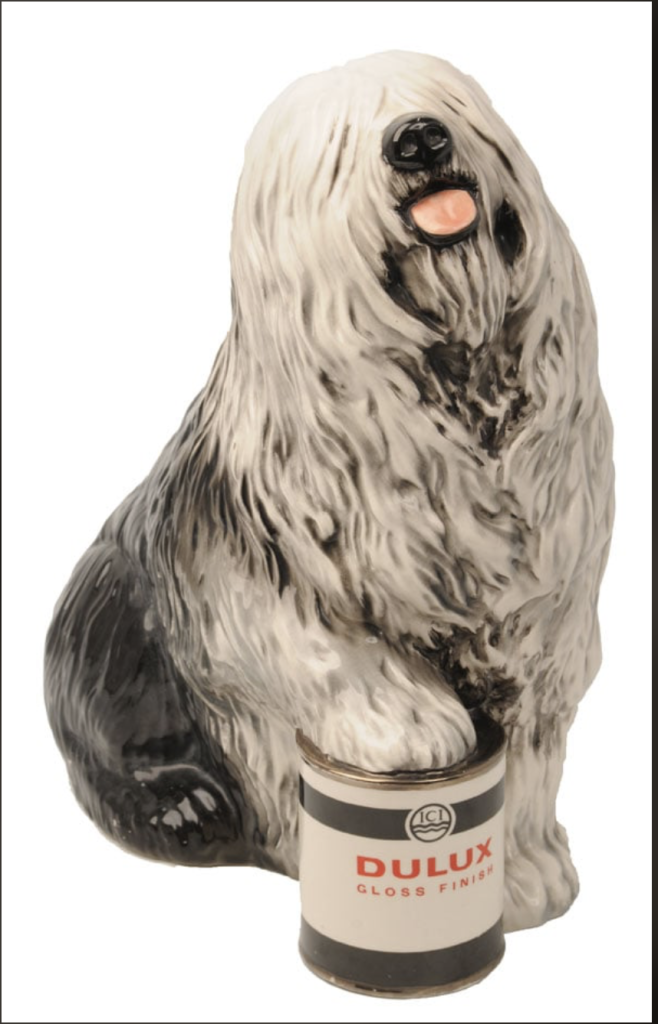
I remember seeing a large china model of a sheepdog, with its paw on a tin of paint, being used as a doorstop. I thought it was wonderful and tried to buy it, even offering the heady sum of five pounds. The shopkeeper flatly refused to sell. A pity, as those Beswick Dulux Dog models can sell today for £500 or more.
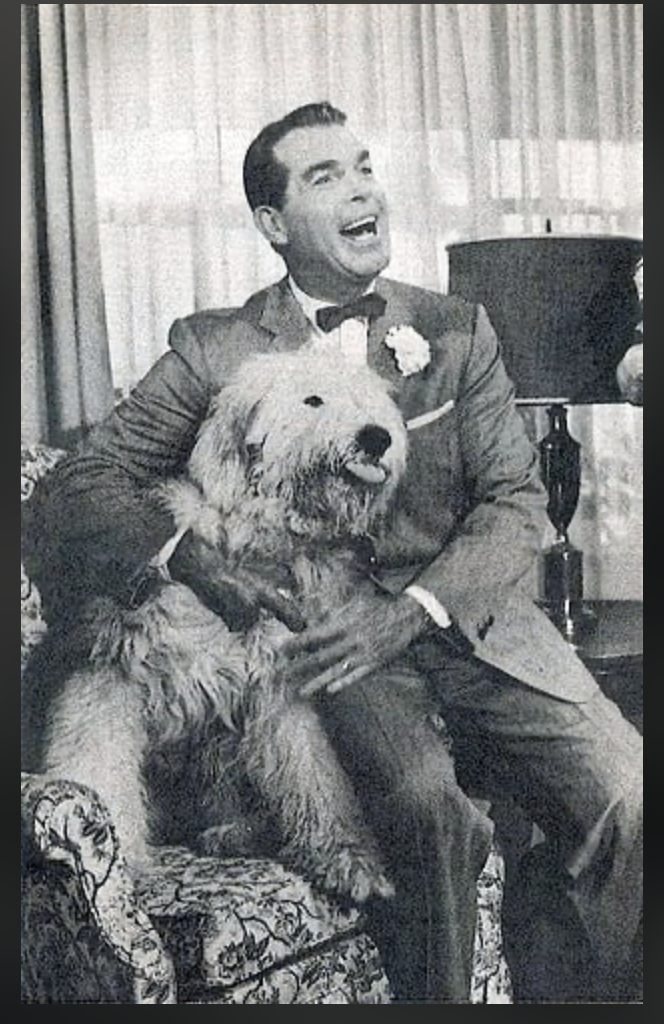
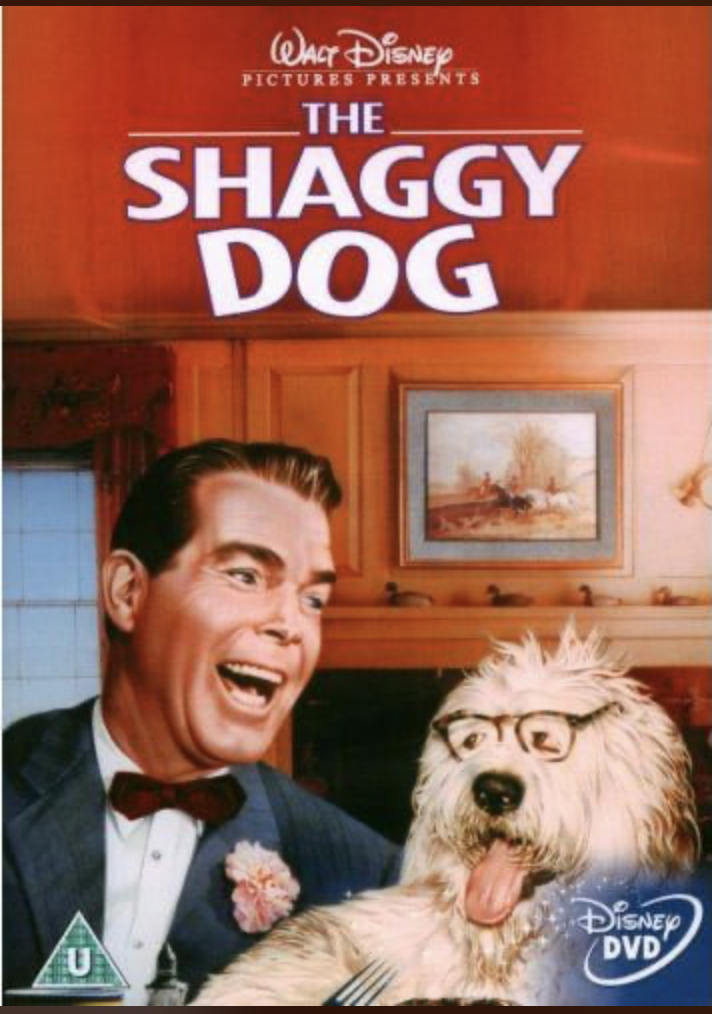
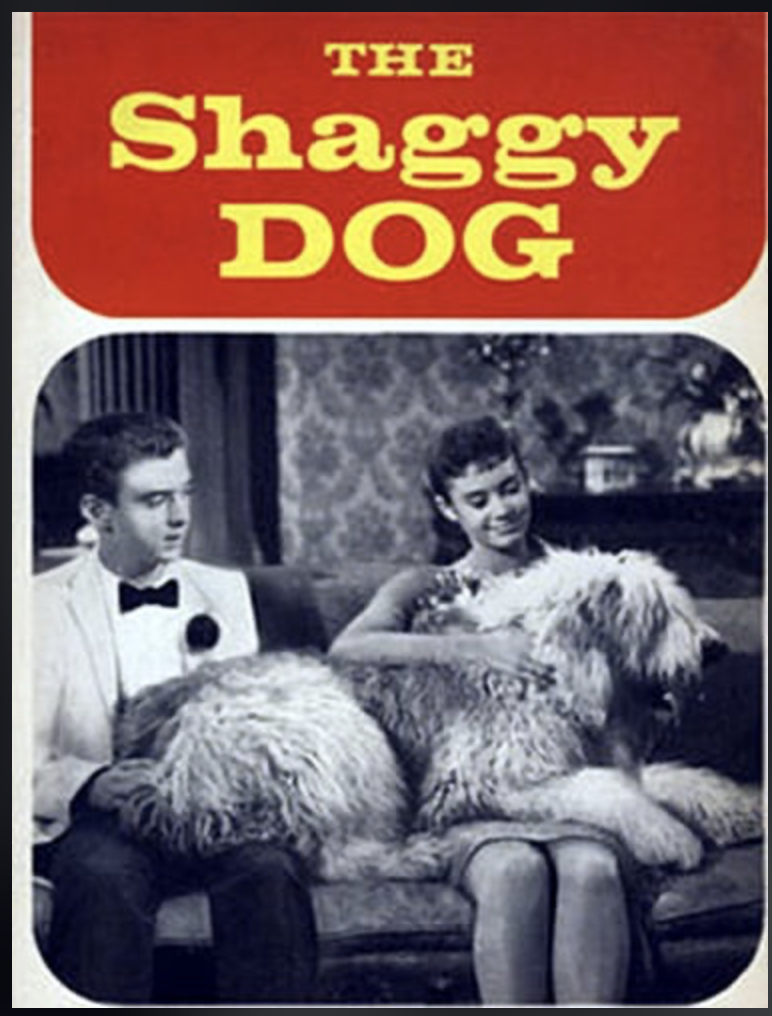
The breed has also had an illustrious film career. Back in 1959, Fred MacMurray starred in the Disney classic The Shaggy Dog, which broke box office records the year it was released, even out-grossing Ben-Hur. The film spawned several spin-offs, including a sequel twenty years later (The Shaggy D.A. in 1979), as well as Digby, the Biggest Dog in the World, also starring an Old English Sheepdog.
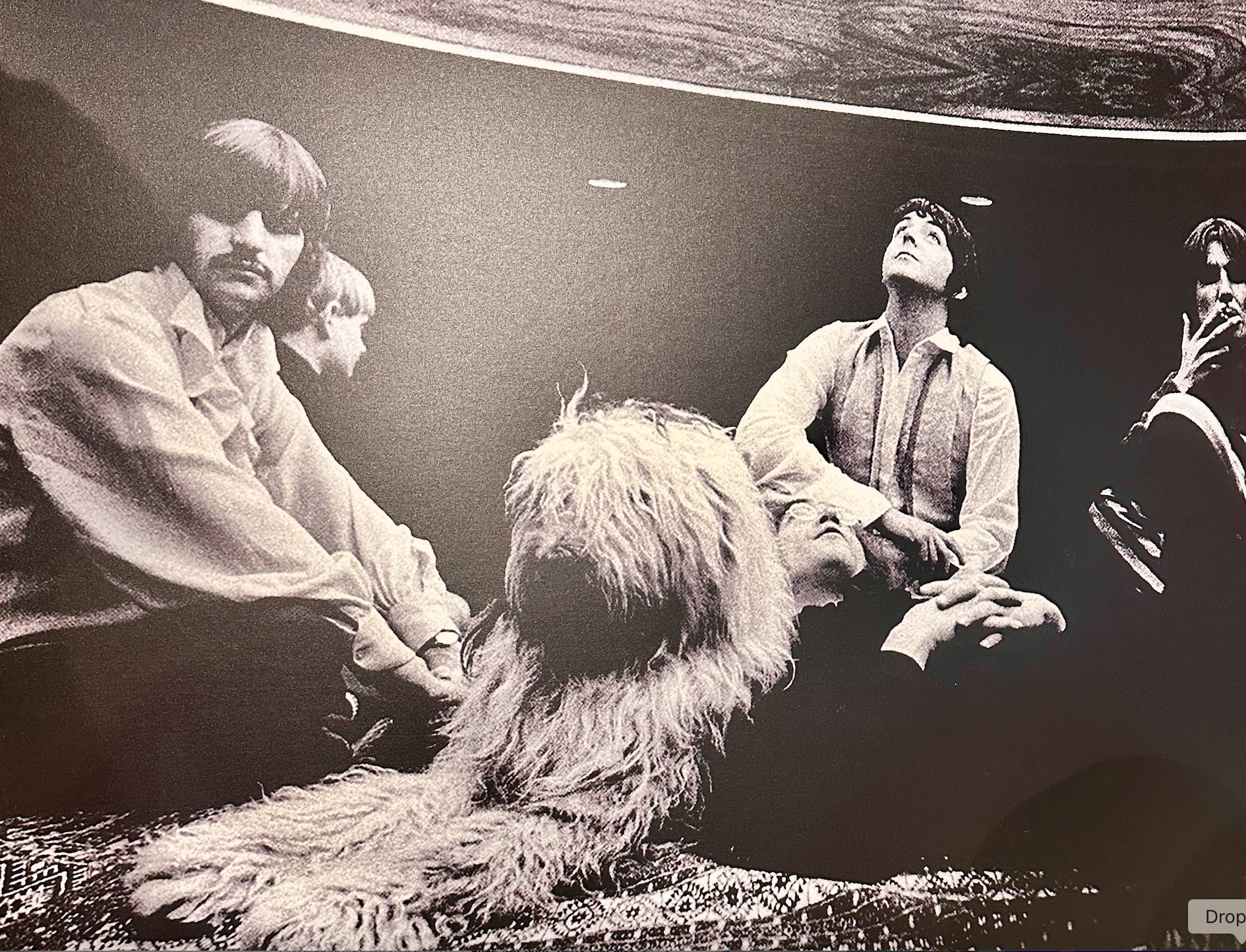
But when it comes to celebrity, they probably do not come any bigger than Sir Paul McCartney, especially during the heady days of Beatlemania in the 1960s. Paul not only owned more than one Old English Sheepdog, he even wrote a song about his first.
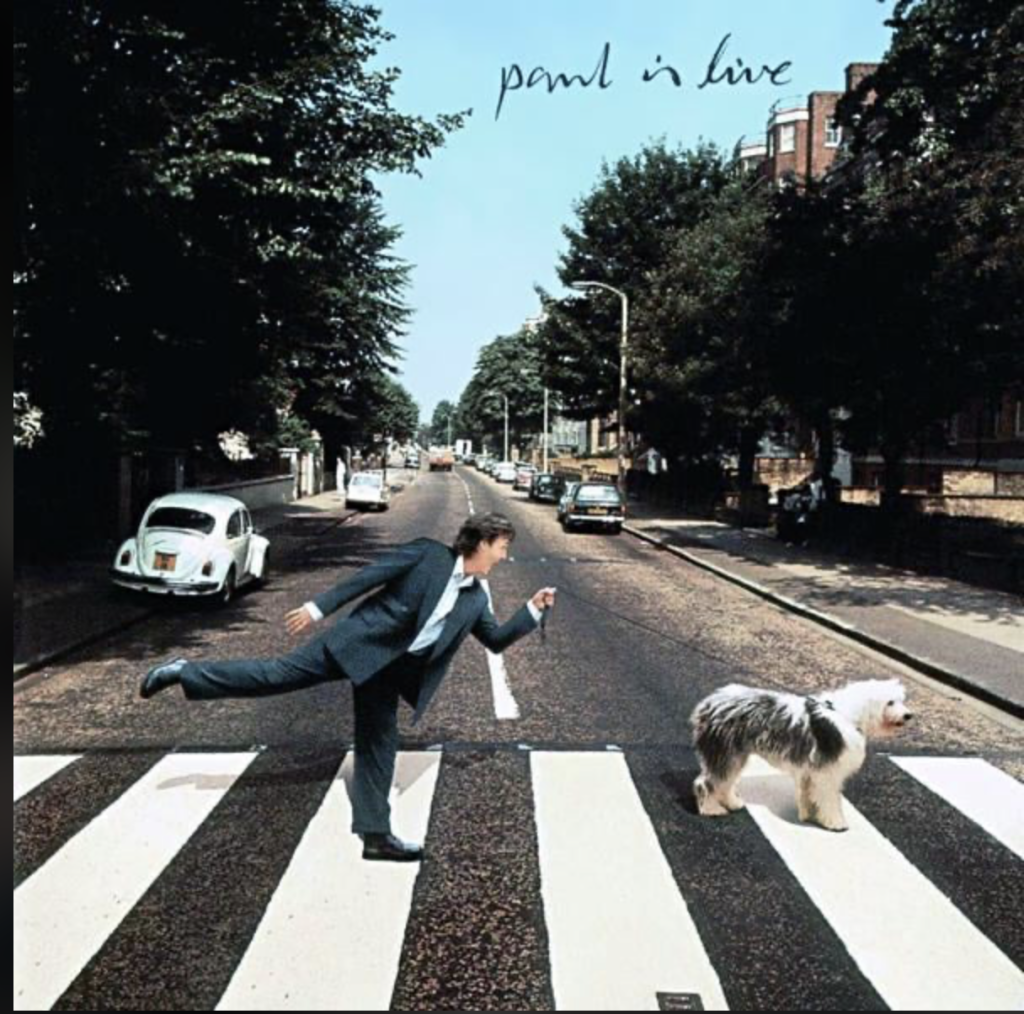
It is no shaggy dog story that the song Martha My Dear, from The Beatles’ “White Album”, was composed in her honour, despite speculation that it was written about his former girlfriend, Jane Asher. While staying with the Asher family, Paul would delight in jumping into a taxi with Martha to take her walking on nearby Primrose Hill, enjoying the fact that fellow dog owners would chat happily about their pets, completely unaware of who he was. It is even said that at the end of A Day in the Life, McCartney recorded an ultrasonic whistle, audible only to dogs, specifically for Martha.
So, with all that pedigree and promotion, you would think that the Old English Sheepdog would be universally popular, wouldn’t you?
Twenty years ago, in 1989, the breed registered 2,384 puppies with the Kennel Club. Ten years later, that number had reduced to 988, and by the late 2000s it had dropped further to just 529. This represented one of the most significant declines in Kennel Club registrations for any British heritage breed.
So is this bad news, or have the numbers simply reduced to a more sustainable and sensible level for the breed? If anyone has knowledge about this most recognisable of British breeds, do please share your thoughts.
And what has happened since?
The answer is both sobering and instructive.
The most recent Royal Kennel Club figures show just 246 Old English Sheepdog puppies registered in 2025, following 241 in 2024. A brief post-pandemic rise in 2021 proved short-lived, and the breed now sits firmly in the low hundreds each year.
Set against the breed’s peak of many thousands annually in the 1970s, and 2,384 registrations in 1989, the long-term picture is unmistakable.
Despite global advertising campaigns, starring roles in films, and even a Beatle’s devotion, the Old English Sheepdog remains on the Vulnerable Native Breeds list.
It is a powerful reminder that publicity alone is not enough. Without sustained support for responsible breeders, understanding of a breed’s purpose, and a long-term commitment to its future, even the most famous dogs in the world can quietly fade from view.

Leave a Reply