Somewhere between a carefully researched article and a viral headline, the truth got lost.
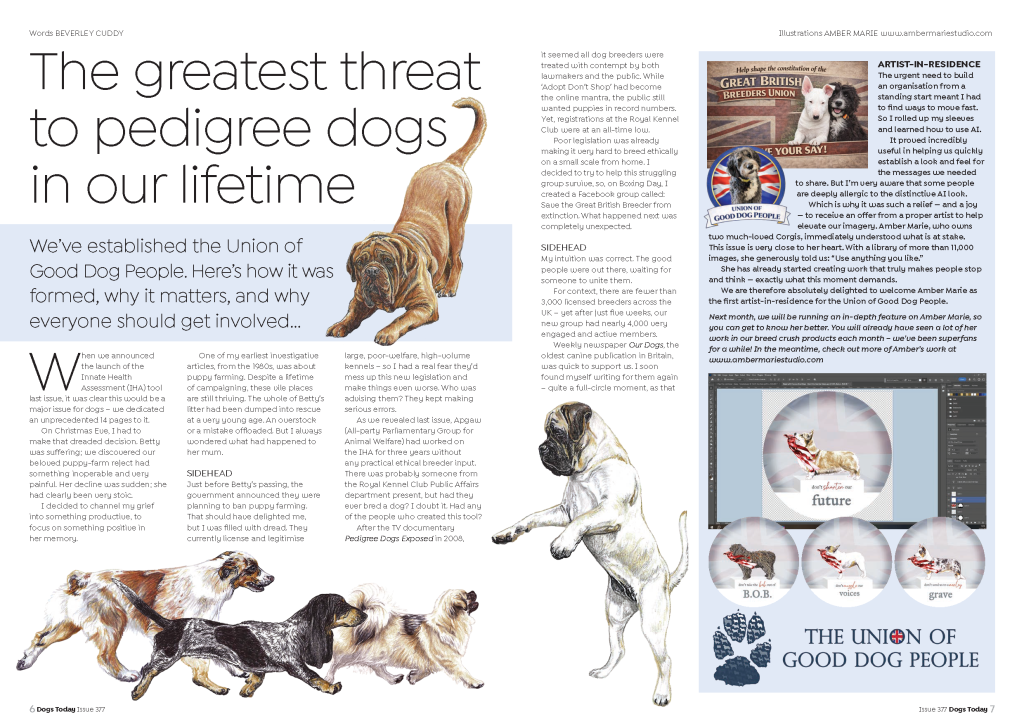
This story began with a serious, nuanced piece in Dogs Today, an in-depth exploration of the proposed Innate Health Assessment (IHA) and what it might mean for the future of pedigree dogs. It was never a list of “banned breeds”. It was never a definitive prediction. It was a warning. A discussion. A call for proper, evidence-based debate.
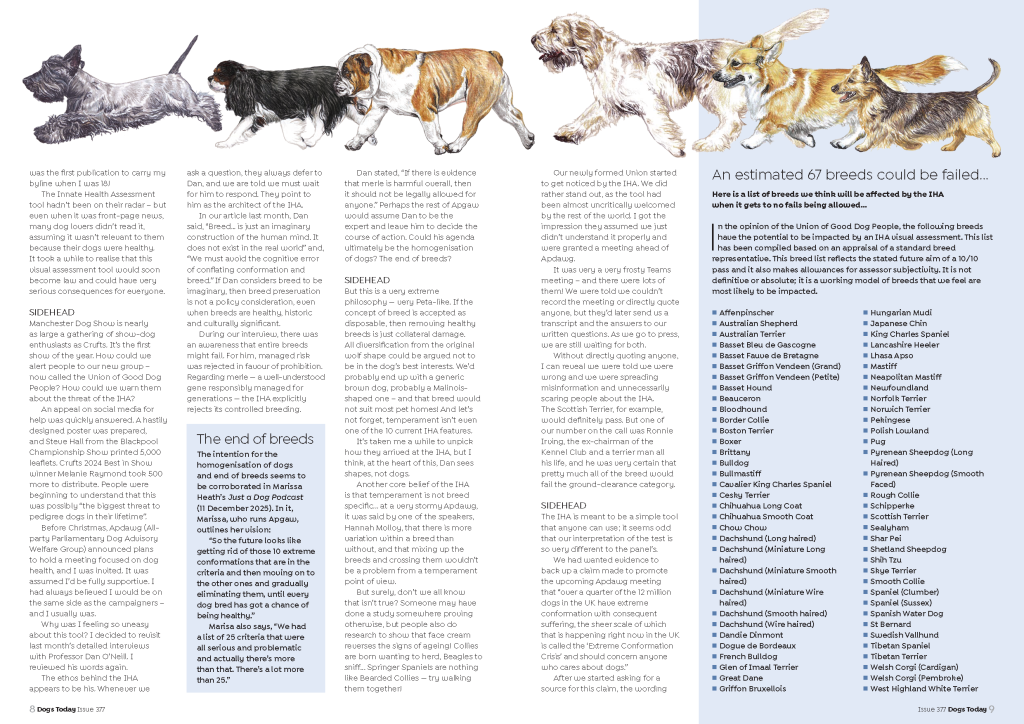
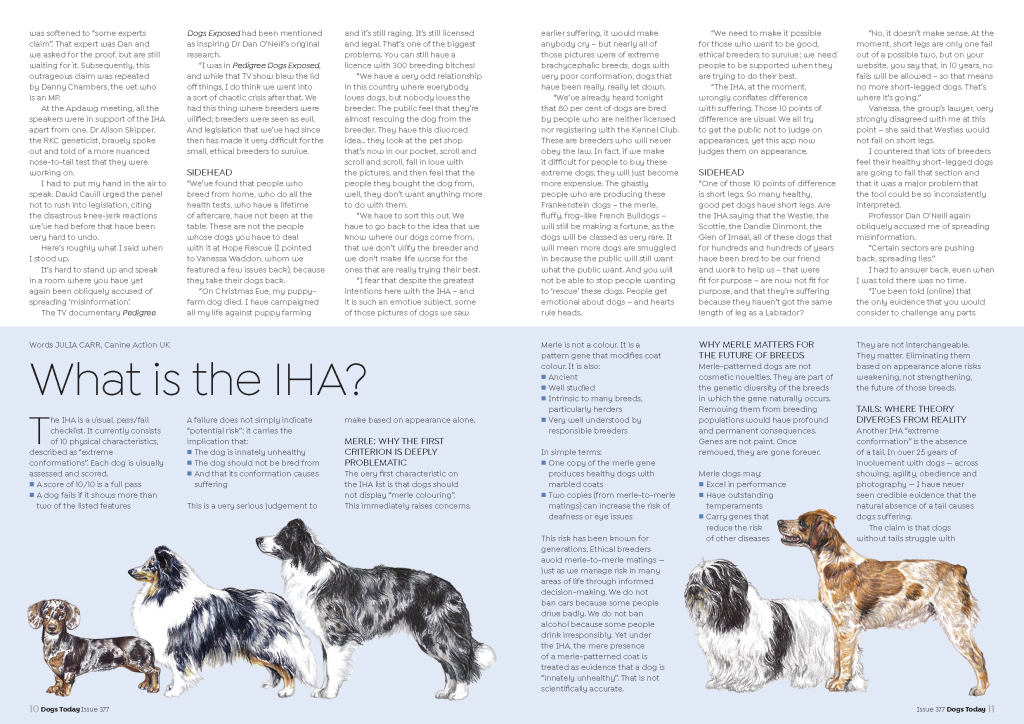
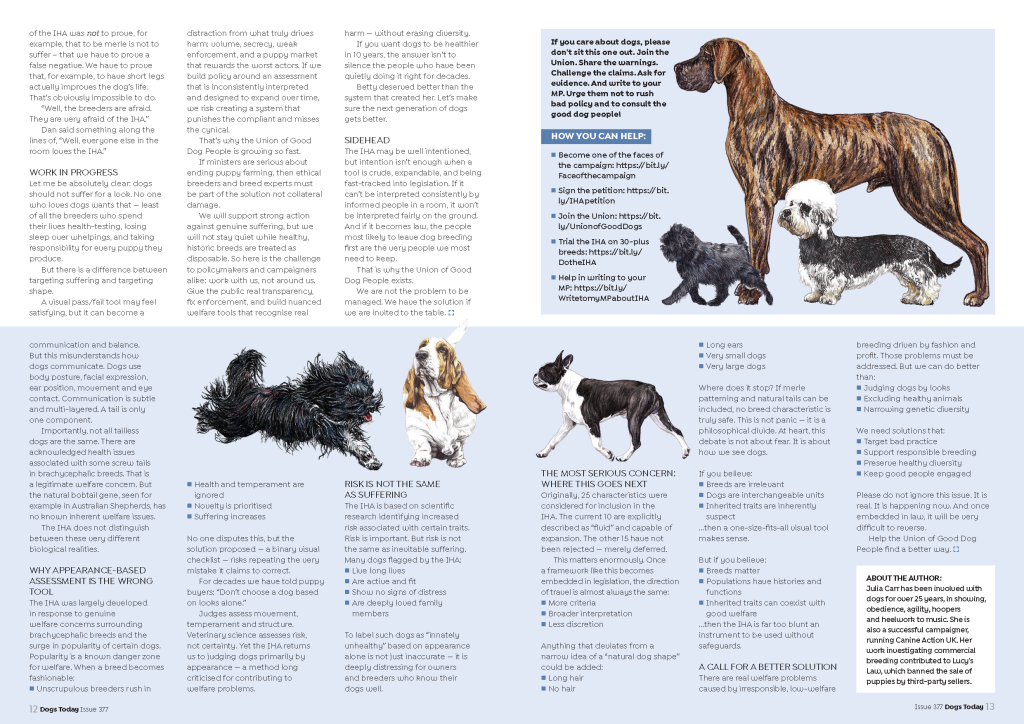
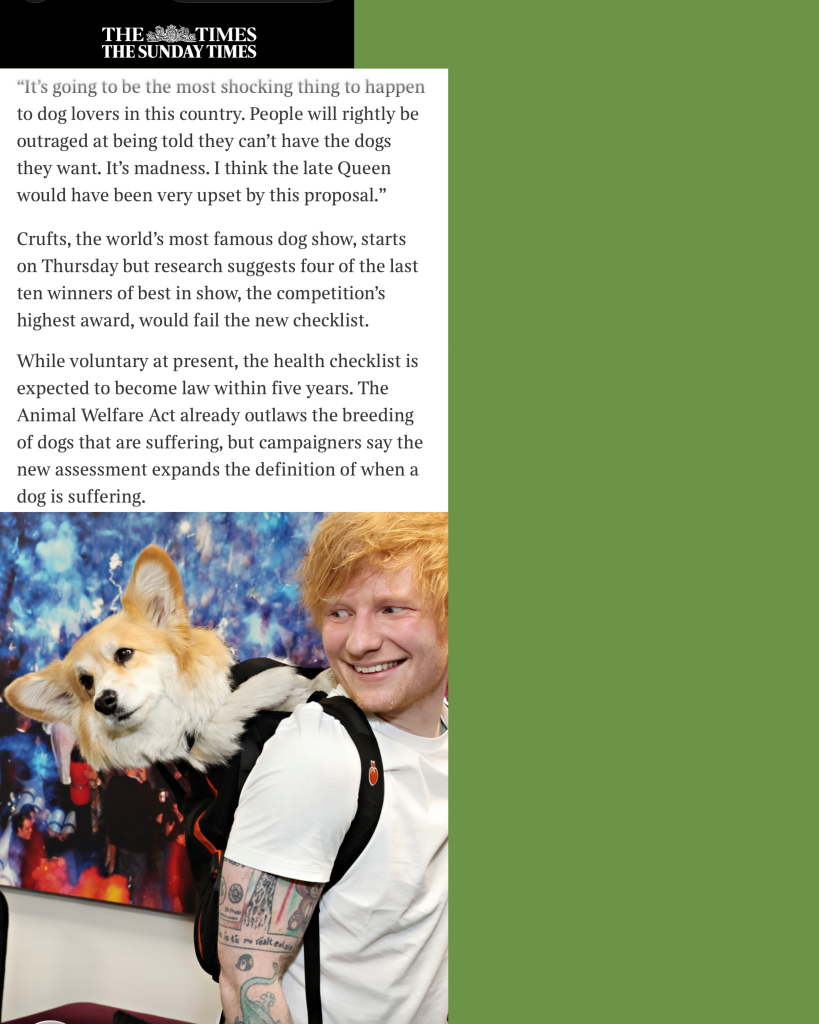
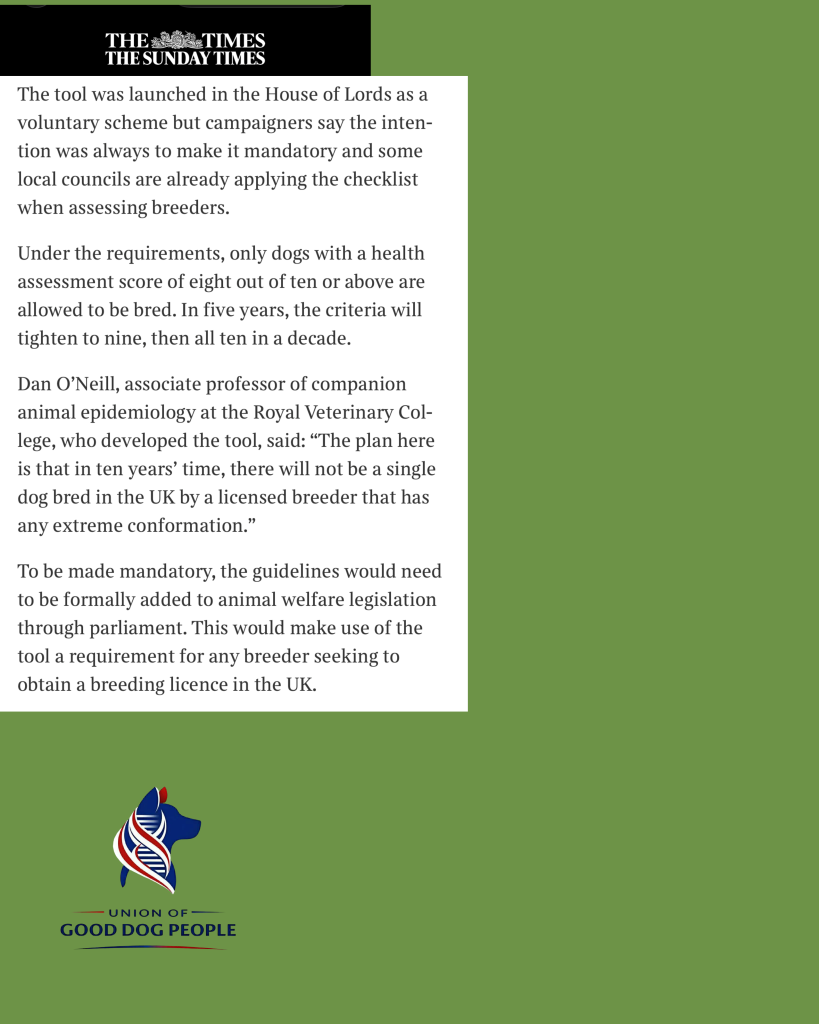
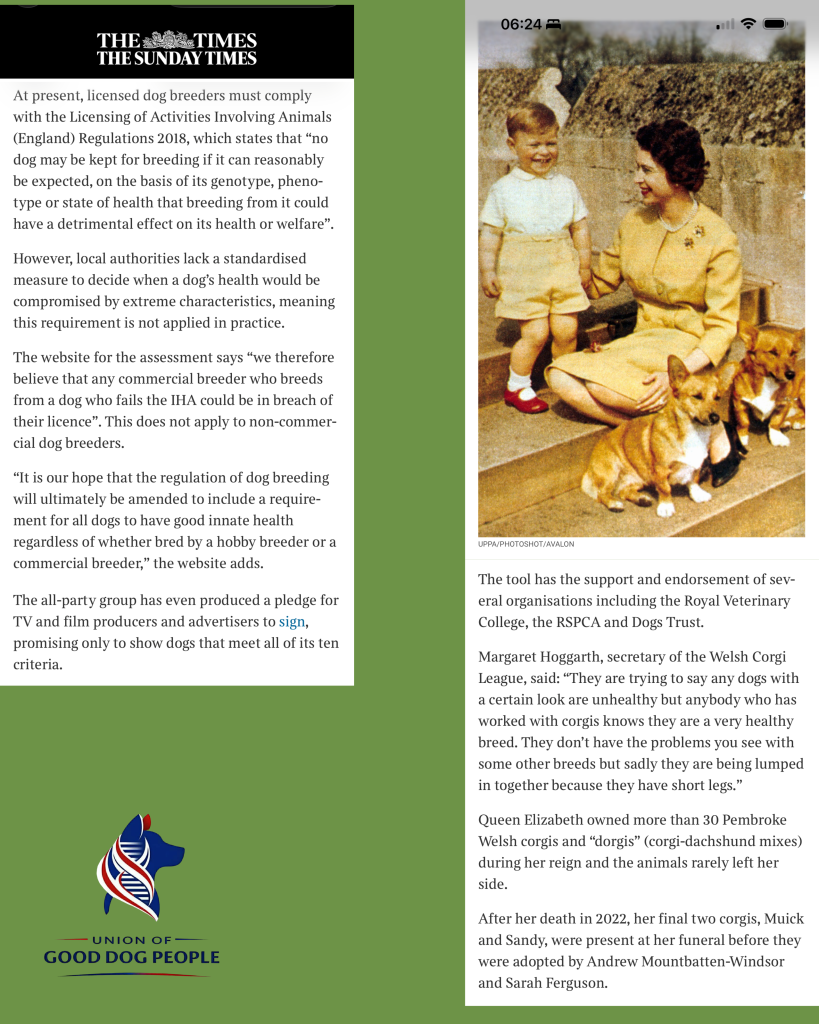
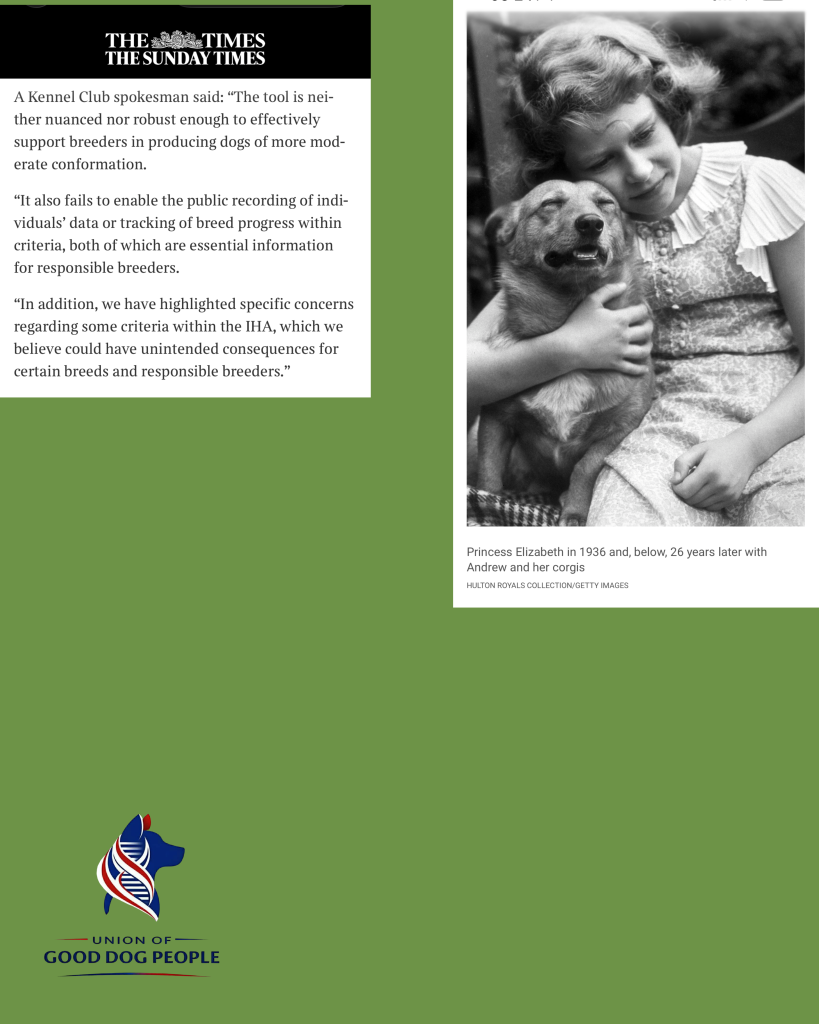
A journalist from The Times picked it up, first generation reporting. They spoke to me directly. They understood the concerns that a blunt, visual, pass or fail tool could, over time, impact a wide range of breeds if used without nuance.
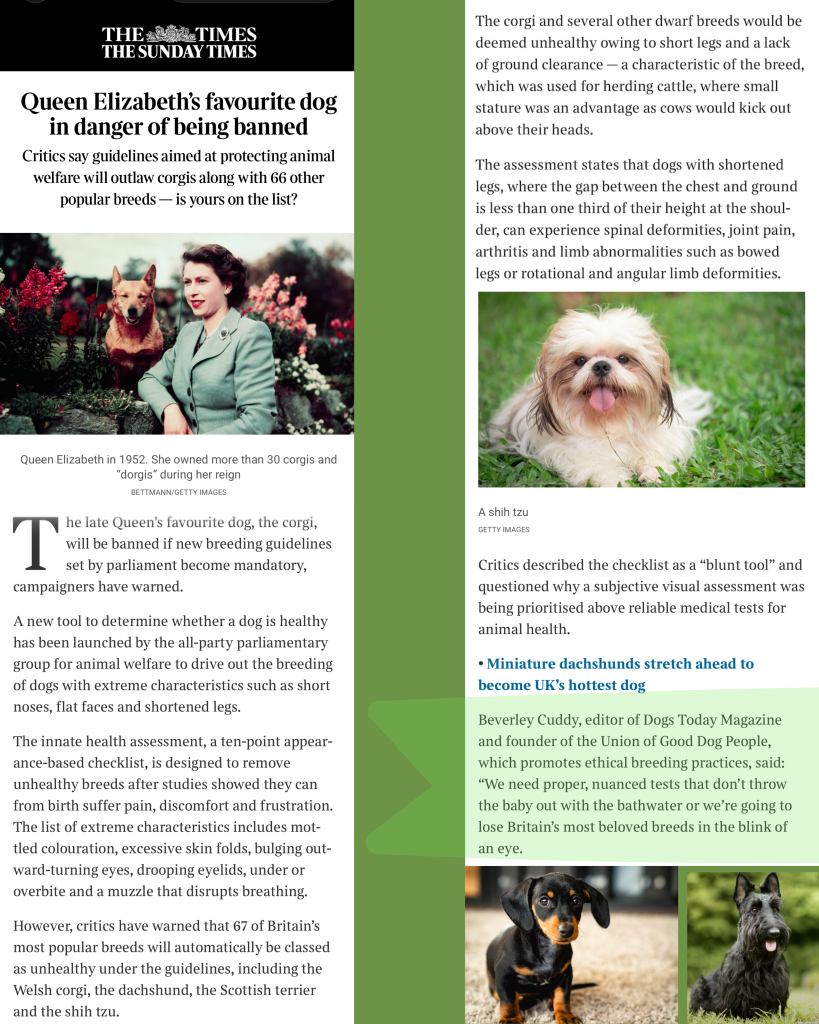
Then something else happened.
The story was copied.
And copied again.
And again.
Each time, a little context fell away.
Each time, a little certainty was added.
Each time, the nuance, the very heart of the issue, was stripped out.
What began as a working model of potential impact, clearly stated as not definitive, somehow morphed into a hard list of 67 breeds “set to be banned”.
Breeds were added that were never the focus of concern. Suddenly, Beagles appeared on the list. Staffordshire Bull Terriers were included. Breed names were misspelt. The campaign group PETA got mixed up in the story, too.
This kind of misreporting actively fuels a second, more insidious problem, gaslighting.
When ethical breeders raise legitimate, evidence-based concerns about how a blunt tool like the IHA could be applied in the real world, they are told they are misunderstanding, overreacting, or spreading fear.
Yet at the very same time, we are seeing the tool being quietly rolled out to local authorities, unreformed. See this recent post on Linked In:
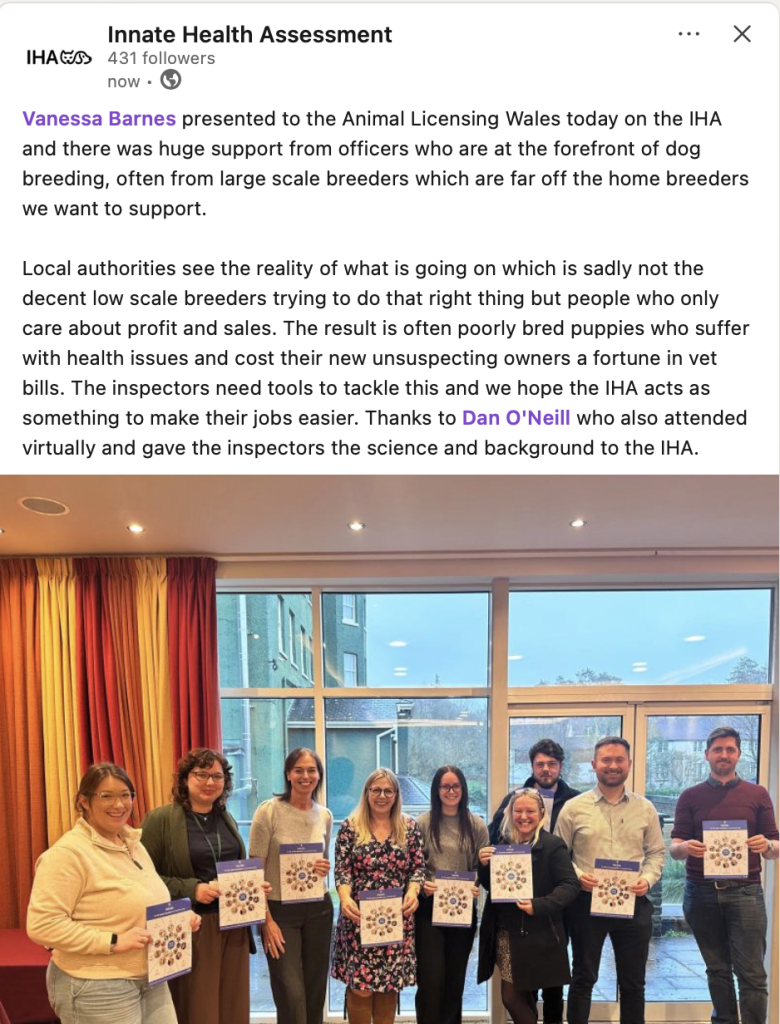
Posts circulating online show the IHA already being presented to licensing bodies and inspectors as a practical enforcement tool. Not as a theoretical discussion. Not as a draft under review. But as something ready to use.
So on one hand, the Unions genuine concerns are being dismissed.
On the other, implementation is moving ahead.
That contradiction matters.
Because this is exactly how trust is eroded.
And increasingly, this distortion is being accelerated by AI.
By the time the story reached local news outlets and social media posts, it had become something entirely different, a piece of viral misinformation dressed up as fact.
The irony?
The original article was calling for better evidence, better conversation, and more care in how we assess dogs.
Instead, it became a case study in what happens when care is lost, and when those raising concerns are dismissed, even as events begin to prove them right.
And we appear to be being blamed for the state of online media – which deflects from the issue we were bringing up.
So if you want to understand what all the fuss is about, go back to the beginning.
Read the original.
Understand the context.
Ask questions. We’re always happy to talk and explain why this matters.
All we ask is for a seat at the table and for our fears to be heard and our questions to be addressed.
Here’s a link to the edition of Dogs Today containing the original story.
Click here

Leave a Reply